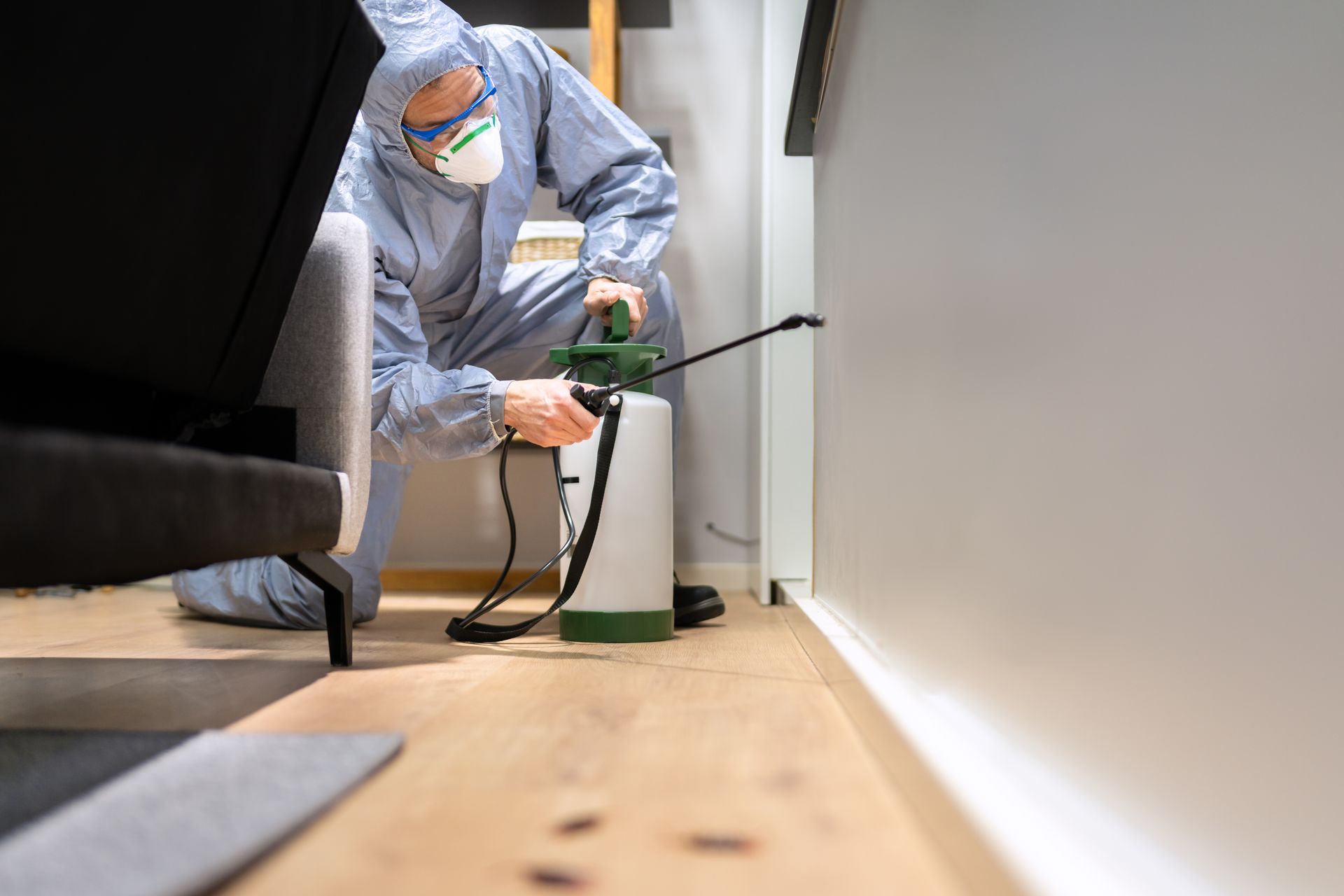
4 Pest Threats Mesa Homeowners Can’t Afford to Ignore in 2026
Mesa homeowners face a unique mix of desert pests that can enter living areas, damage wood, contaminate attics, and spread quickly indoors. In 2026, the 4 pest threats to watch most closely are Arizona bark scorpions, subterranean termites, roof rats, and cockroaches.
Mesa’s warm climate allows many pests to stay active for much of the year. Irrigated landscaping, block walls, roof gaps, garages, attics, foundation cracks, and stored clutter can all provide the food, water, shelter, and entry points pests need.
The right pest control services in Mesa, AZ should focus on prevention, early detection, exclusion, and targeted treatment instead of relying on one spray or a store-bought trap.
Quick Overview of Common Pest Threats in Mesa
| Pest threat | Why it matters | First step to take |
|---|---|---|
| Arizona bark scorpions | Their stings can cause serious symptoms, especially in young children | Reduce hiding places and seal entry gaps |
| Subterranean termites | They can damage wood while remaining hidden | Schedule an inspection and check past treatment records |
| Roof rats | They enter attics, contaminate stored items, and chew building materials | Inspect the roofline and seal openings |
| Cockroaches | They reproduce quickly and may trigger allergies or asthma | Remove food and water sources and identify the species |
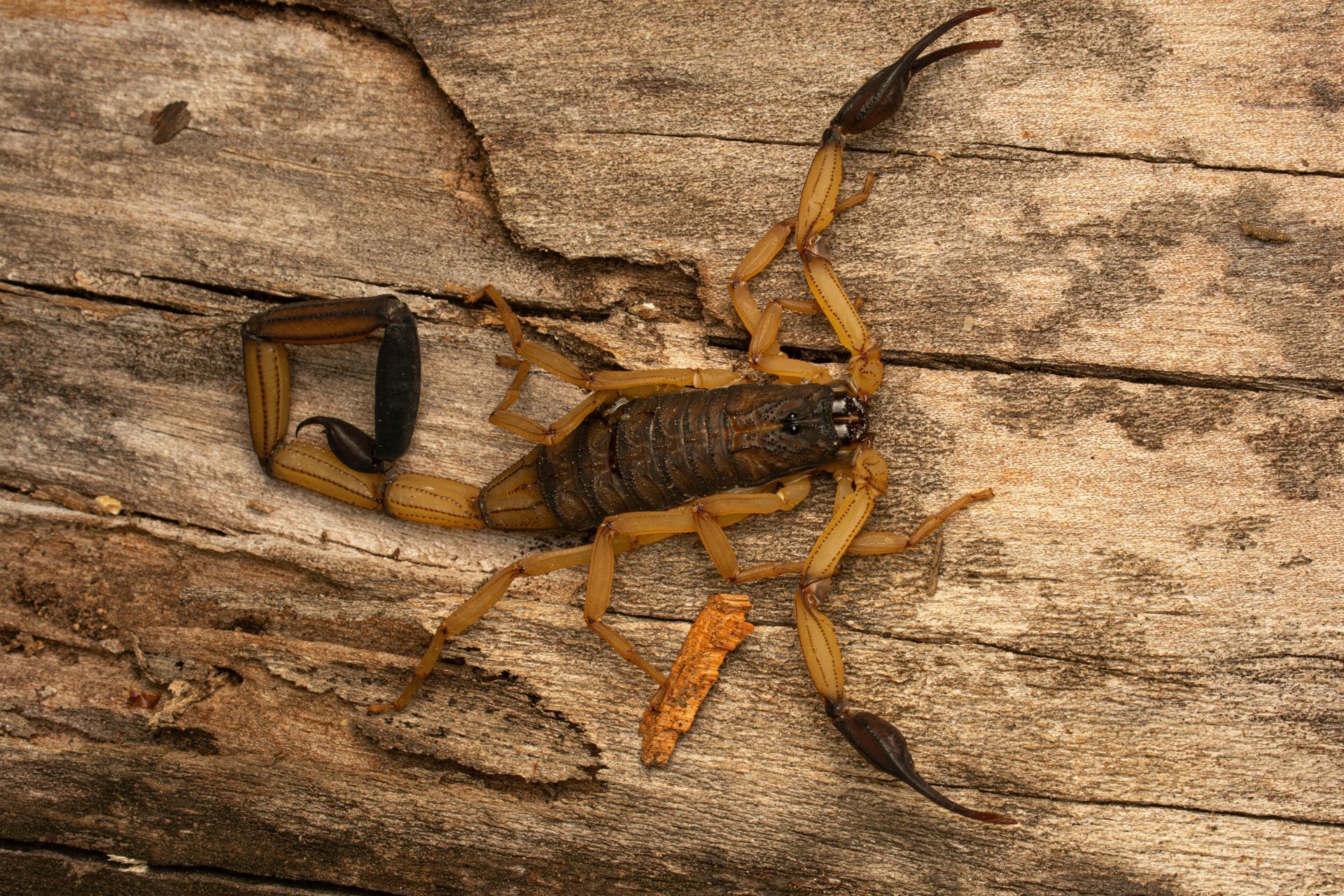
1. Arizona Bark Scorpions Can Enter Living Areas
Arizona bark scorpions are a serious concern because they can climb walls, hide in narrow spaces, and enter bedrooms, bathrooms, garages, and other living areas. They are also the only Arizona scorpion species considered potentially life-threatening.
The Arizona Poison and Drug Information Center reports that bark scorpions are the state’s medically important scorpion species. It also notes that most reported stings happen at night during warmer months and that small children face the highest risk of a severe reaction.
Bark scorpions commonly hide in:
- Concrete block walls
- Foundation cracks
- Attics and wall voids
- Woodpiles and landscaping debris
- Garages and storage areas
- Shoes, clothing, towels, and bedding
- Areas with crickets, roaches, and other prey
How to reduce scorpion activity
Homeowners can lower the risk by:
- Sealing cracks around doors, windows, pipes, and utility lines.
- Repairing damaged weather stripping and door sweeps.
- Moving firewood, bricks, and stored materials away from the home.
- Removing excessive yard debris and clutter.
- Reducing cricket and cockroach activity around the property.
- Using professional perimeter and harborage treatments when activity continues.
Because scorpions often hide inside walls or block fences, treating only the one you see may not solve the problem. Learn more about professional scorpion pest control in Mesa, AZ.
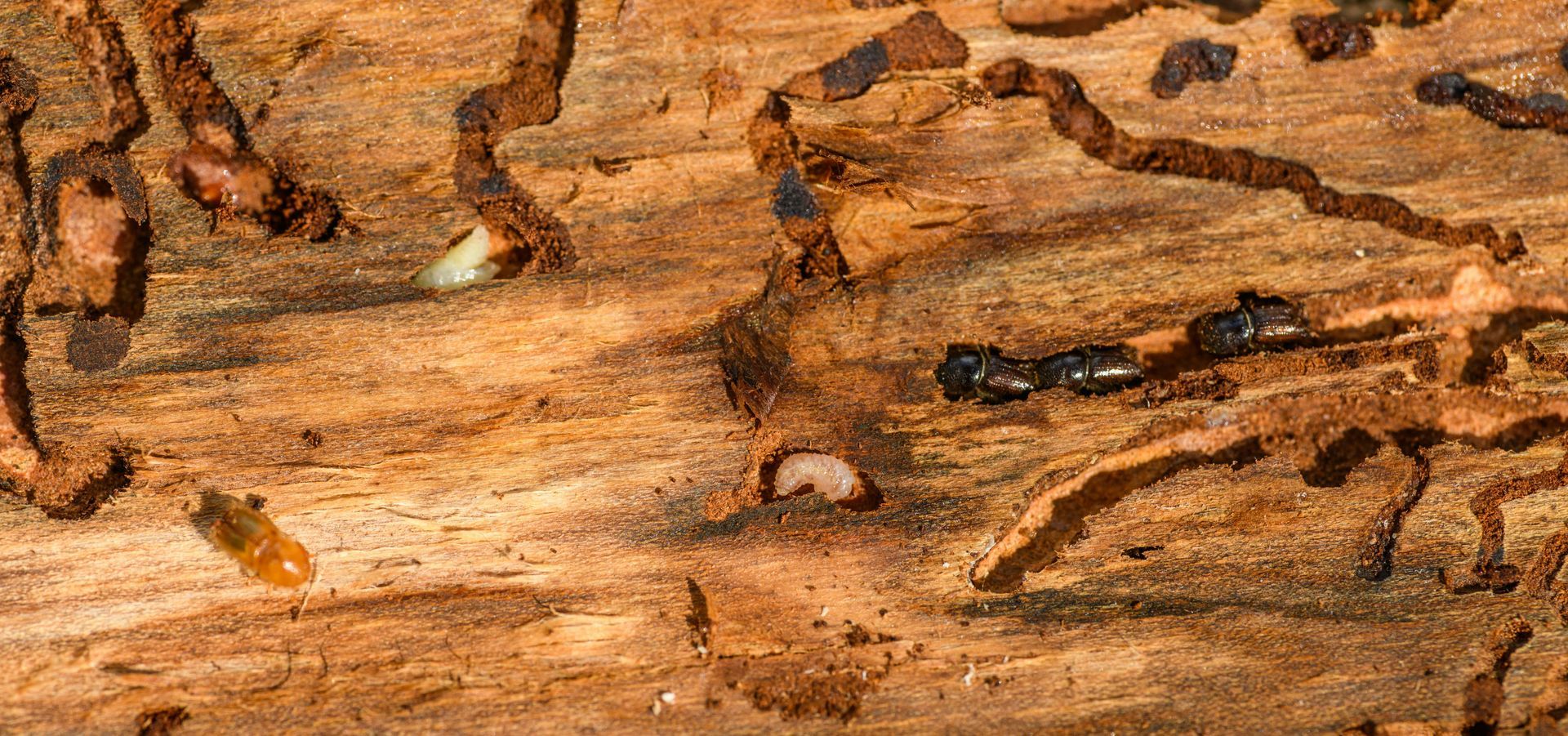
2. Termites Can Cause Damage Before You See Them
Termites are dangerous because they can feed on wooden parts of a home while staying hidden underground, behind drywall, or inside structural wood. A home may have termite activity long before obvious damage appears.
The U.S. Environmental Protection Agency reports that termites cause billions of dollars in structural damage each year. It also warns that many homeowners do not discover an infestation until they see a swarm or uncover damage during renovations.
Many newer Arizona homes receive some form of termite protection during construction. However, homeowners should not assume that a pre-construction treatment provides permanent protection. Its effectiveness can depend on:
- The product and application method
- Soil movement or landscaping changes
- Plumbing or foundation work
- Additions, patios, and renovations
- The original treatment warranty
- Whether follow-up inspections were completed
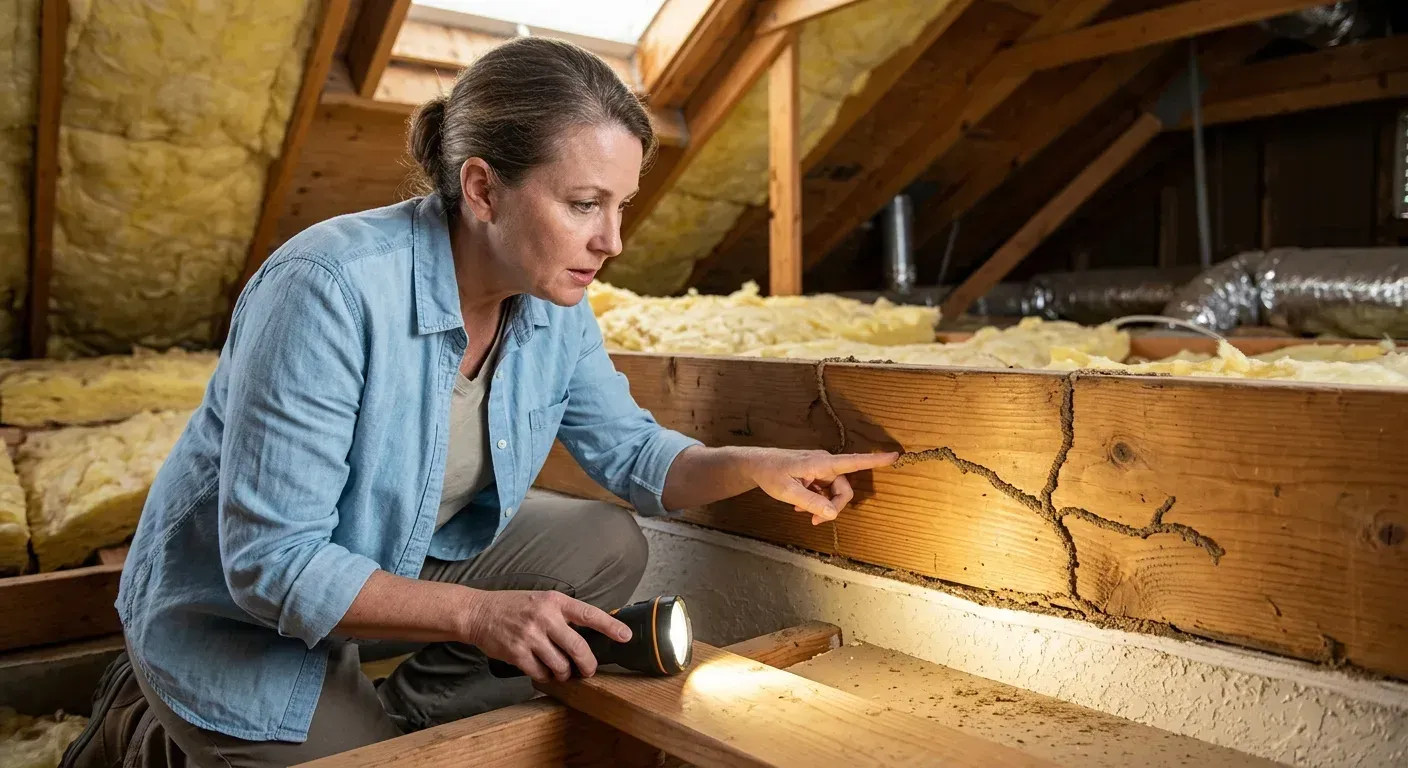
Signs of possible termite activity
Watch for:
- Mud tubes along foundations or walls
- Wood that sounds hollow when tapped
- Damaged or blistered wood
- Discarded wings near doors and windows
- Small holes in drywall or wood
- Doors or windows that become difficult to open
- Termite swarmers inside or near the home
Small piles of pellet-like droppings may indicate drywood termites. Mud tubes are more commonly associated with subterranean termites, which are a major concern in Arizona.
If you notice these signs, avoid disturbing the area or spraying it with a household product. Schedule a professional inspection so the species and extent of activity can be identified.
Merrill Pest Solutions provides termite control services based on the condition of the property and the location of the activity. Homeowners can also learn more about the dangers of leaving termite damage untreated.
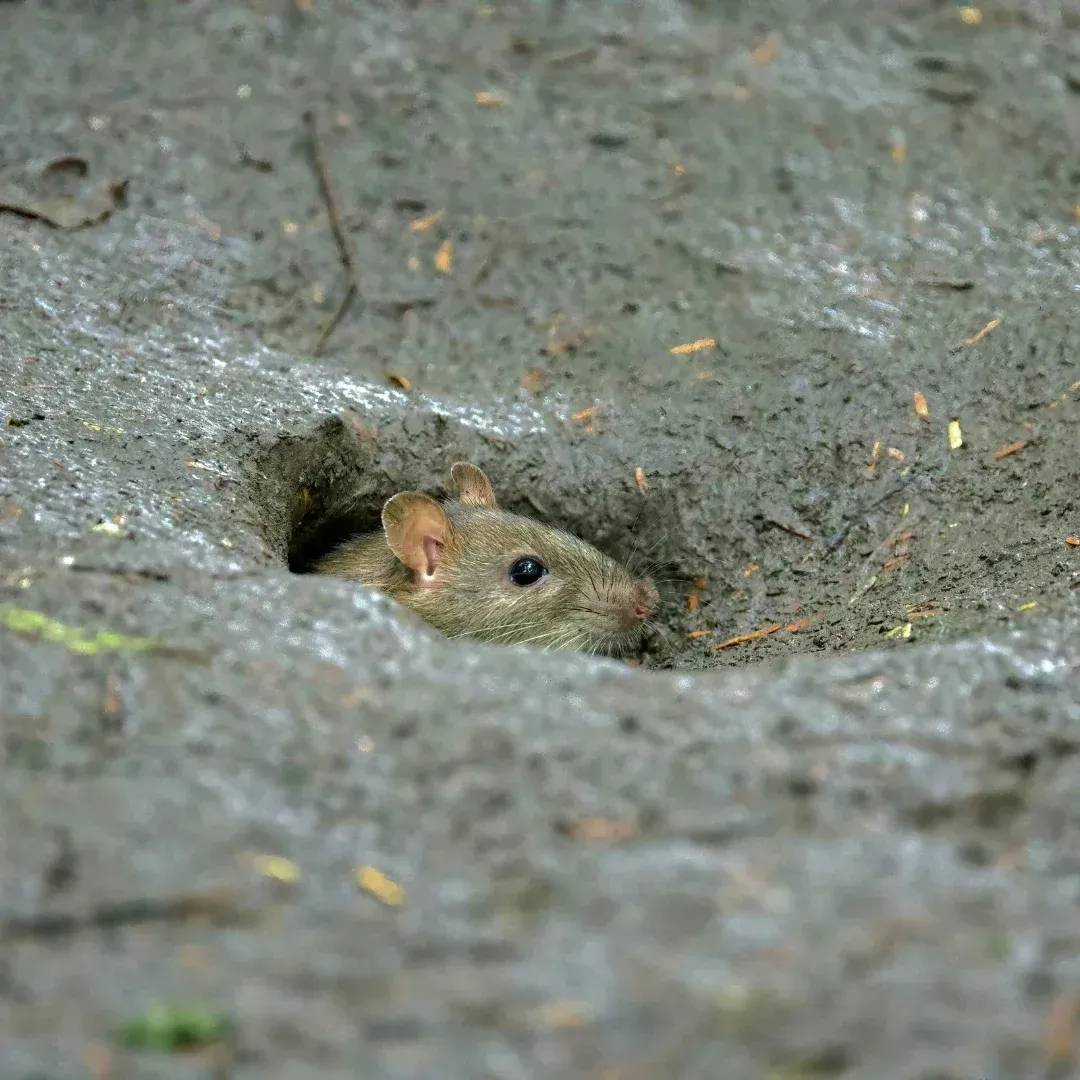
3. Roof Rats Can Move Into Attics Through Small Openings
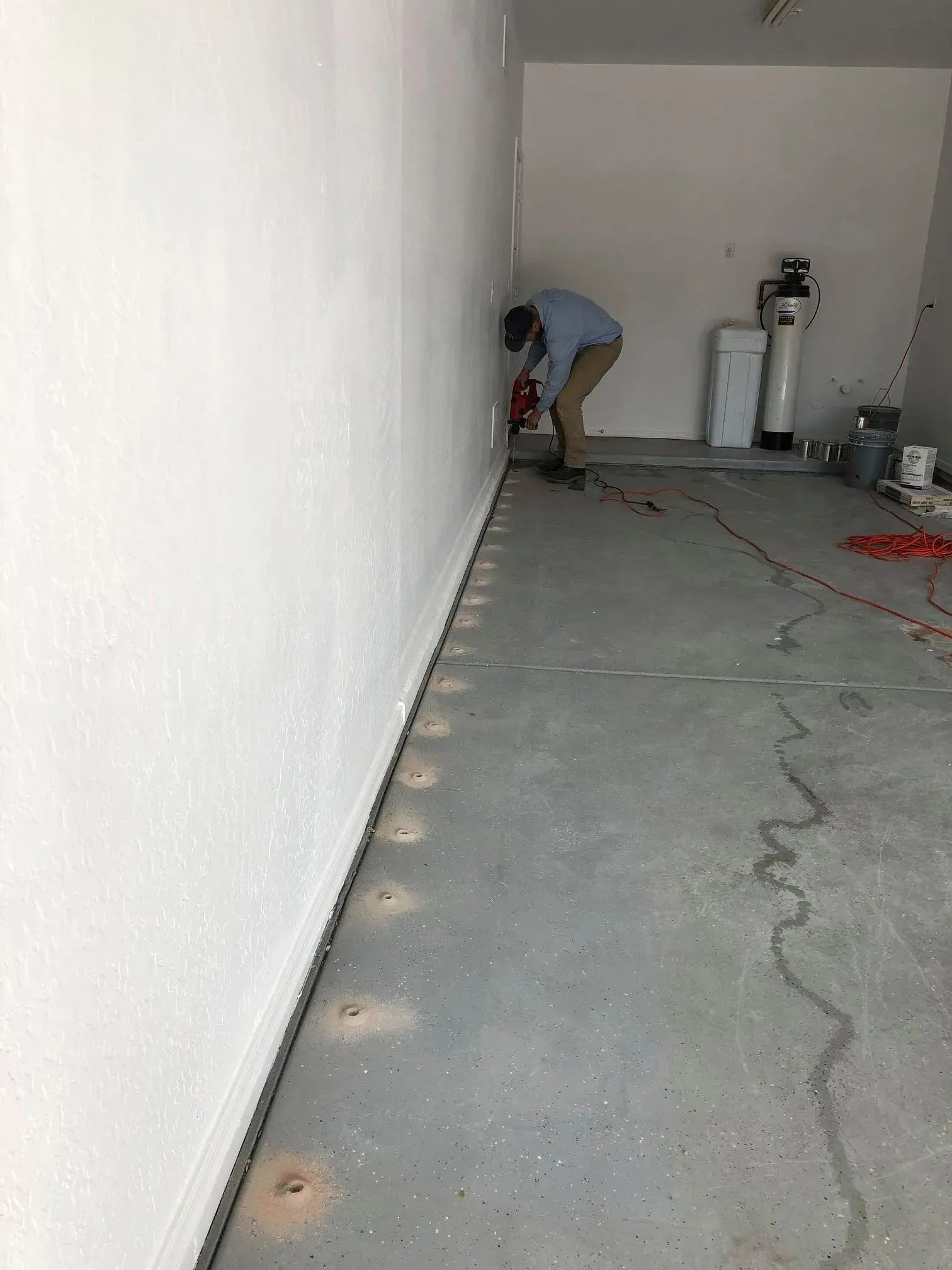
Roof rats are a major threat because they are strong climbers and often enter homes through rooflines, vents, utility openings, and gaps near eaves. Once inside, an attic gives them a protected place to nest and travel through the home.
Properties with citrus trees, palm trees, bird feeders, irrigation, dense shrubs, or branches touching the roof may be more attractive to roof rats.
Maricopa County Vector Control states that roof rats can enter through openings larger than a nickel. The county also identifies attics as common nesting areas because they provide shelter and routes into rooms below.
Roof rats may damage:
- Insulation
- Drywall
- Plastic and soft metals
- Stored boxes and food packaging
- Irrigation or plumbing materials
- Electrical wiring and other building components
Signs that roof rats may be present
Look and listen for:
- Scratching or scurrying noises at night
- Droppings in the attic, garage, or pantry
- Gnaw marks on boxes, wood, or wiring
- Greasy rub marks near travel paths
- Shredded insulation or nesting material
- Partially eaten citrus fruit
- Musky odors in enclosed areas
- Openings or damaged screens near the roof
A snap trap may catch one rat, but it does not close the opening that allowed the animal inside. Long-term control requires inspection, trapping or removal, sanitation, and structural exclusion.
Review these signs of a hidden rodent infestation or explore Merrill Pest Solutions’ rodent control services in Mesa.
4. Cockroaches Can Spread Quickly Indoors
Cockroaches are a serious household threat because they can hide in tight spaces, reproduce quickly, and survive near small amounts of food and moisture. Seeing even one roach indoors may be a sign that more are hiding nearby.
The University of Arizona reports that 7 introduced cockroach species are well established in urban areas across the state. The American cockroach, also called a sewer roach, is considered the largest and most common cockroach in Arizona. German cockroaches are smaller and often hide near kitchen appliances where food and water are available.
Cockroaches may enter or gather around:
- Drains and plumbing openings
- Kitchens and pantries
- Bathrooms and laundry rooms
- Garages and storage spaces
- Irrigation boxes
- Appliances
- Cardboard boxes
- Cracks shared with neighboring units
Cockroach activity is not only unpleasant.
The EPA states that indoor pests such as cockroaches can trigger asthma and allergy symptoms.
Steps that help prevent cockroaches
- Repair dripping faucets and plumbing leaks.
- Clean crumbs, grease, and food spills promptly.
- Store pantry food and pet food in sealed containers.
- Empty trash regularly and keep bins closed.
- Remove unnecessary cardboard and paper clutter.
- Seal gaps around plumbing and cabinets.
- Keep drains covered when they are not being used.
- Use monitoring traps to identify active areas.
Foggers and broad indoor spraying may miss the hiding spots where cockroaches live. Correct identification and targeted treatment are usually more effective.
What Mesa Homeowners Should Do Now
Mesa homeowners should focus on prevention, early detection, and targeted treatment. Waiting until pests are easy to see usually gives them more time to spread or cause damage.
Follow these 5 steps:
- Inspect the Exterior: Check door sweeps, vents, pipes, foundations, block walls, rooflines, and garage seals.
- Remove Pest Resources: Fix leaks, store food properly, trim landscaping, and clear clutter.
- Document Warning Signs: Photograph droppings, damage, mud tubes, entry gaps, or insects before cleaning the area.
- Avoid Random Products: Using the wrong spray or bait can waste time and may push pests into harder-to-reach spaces.
- Schedule an Inspection: When activity continues, schedule a professional inspection to identify the pest, locate the source, and recommend a treatment plan.
Read more about why DIY pest control often fails when treatments address visible pests but miss nesting sites, colonies, or entry points.
Choose Targeted Pest Control for Your Mesa Home
Effective pest control should identify the pest, correct conditions that support it, block entry points, and apply treatment only where it is needed. This approach is commonly known as Integrated Pest Management, or IPM.
The EPA describes IPM as a practical system that combines monitoring, identification, prevention, and appropriate control methods. Targeted treatments are chosen before broad, non-specific pesticide applications.
Merrill Pest Solutions has served Mesa and surrounding Arizona communities since 2015. Its services include scorpion, termite, rodent, bed bug, bird, weed, and general pest control, with treatment plans designed around the property and pest problem.
Service frequency depends on the home, the surrounding environment, and the history of pest activity. This guide explains how often to schedule pest control in Mesa, AZ.
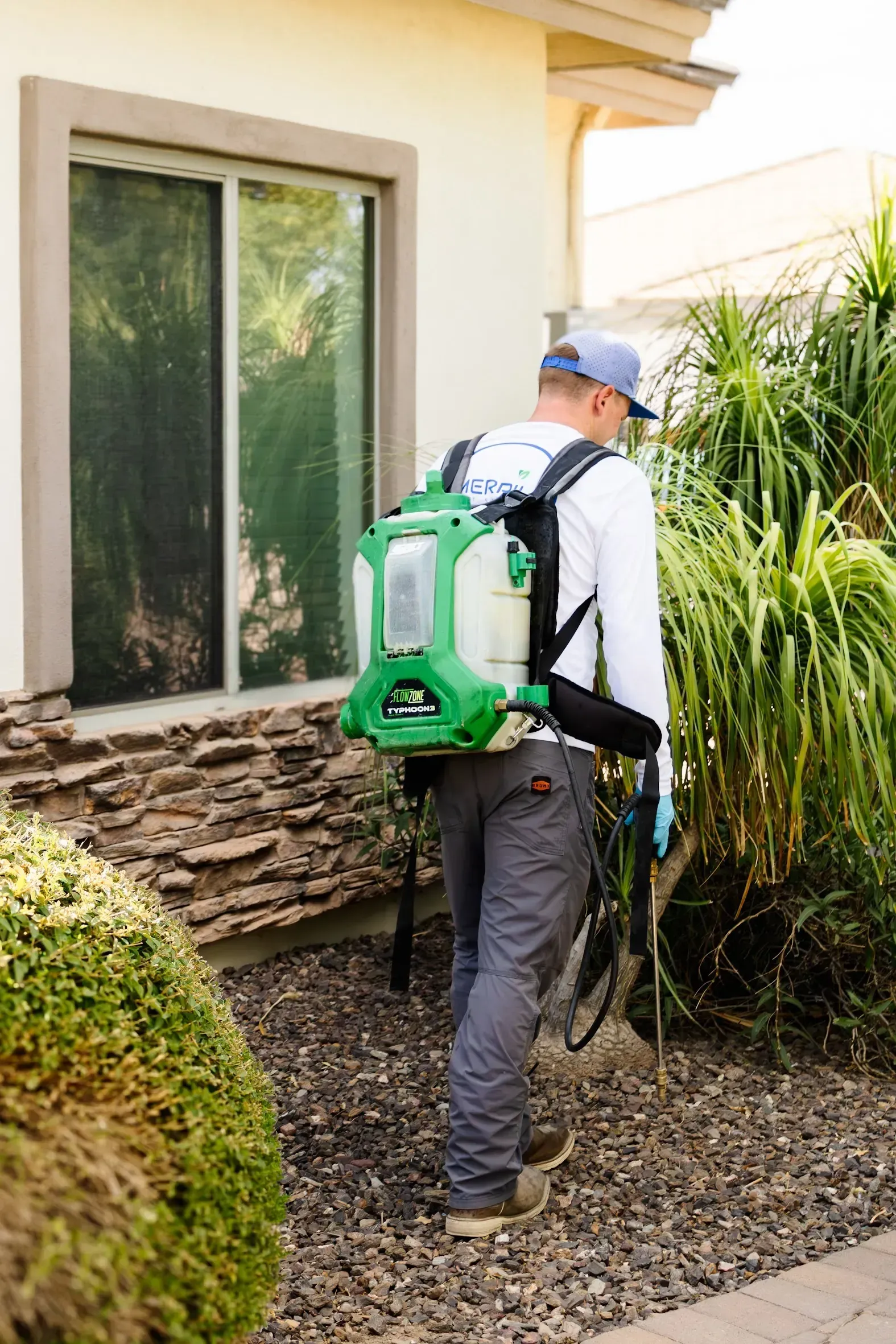
Protect Your Mesa Home Before the Problem Grows
Scorpions, termites, roof rats, and cockroaches can remain hidden until their numbers increase or damage becomes noticeable. Early inspections and preventive treatments are usually simpler than dealing with an established infestation.
Explore professional
pest control services in Mesa, AZ from
Merrill Pest Solutions and request an inspection or customized treatment plan for your home. Contact us now at
(480) 771-7451.
FAQs About Mesa Pest Threats
How often should I schedule pest control for my Mesa home?
The right schedule depends on your property and the pests you are dealing with. Quarterly service may be a practical starting point for many homes, while properties with ongoing scorpion, cockroach, or rodent activity may need more frequent attention.
Are Arizona bark scorpions dangerous?
Yes. The Arizona bark scorpion is the state’s medically important scorpion species, and young children face a higher risk of severe symptoms. Contact Poison Control at 1-800-222-1222 for guidance after a sting, especially if the person develops unusual eye movements, muscle twitching, breathing trouble, or other serious symptoms.
How do I know whether my termite protection is still active?
Review your closing documents, treatment certificate, and termite warranty. Because products and warranties vary, schedule an inspection rather than assuming an older pre-construction treatment is still protecting the property.
Can store-bought traps eliminate roof rats?
Traps can remove individual rats, but they do not repair entry points. A lasting solution requires finding and sealing openings around the roof, vents, pipes, eaves, and other structural gaps.
What does Integrated Pest Management mean?
Integrated Pest Management combines correct identification, monitoring, sanitation, exclusion, prevention, and targeted treatment. Its goal is to solve the source of a pest problem while reducing unnecessary pesticide use.
Share Article
Recent Posts